Industrial Skiving Machines
Skiving machines are used to accurately reduce the thickness of a material along an edge or within a specific area, preparing it for processes such as folding, stitching, joining and assembly. Most commonly associated with leather manufacturing, industrial skiving allows material to be prepared quickly and consistently while achieving a finish that would be difficult to reproduce accurately by hand.
At Cutting Systems UK, we supply industrial skiving machines for professional manufacturing applications. Our experienced engineering team can help determine whether skiving is the right process for your material and recommend machinery based on the products you manufacture, the finish required and your production volumes.
What Is Skiving?
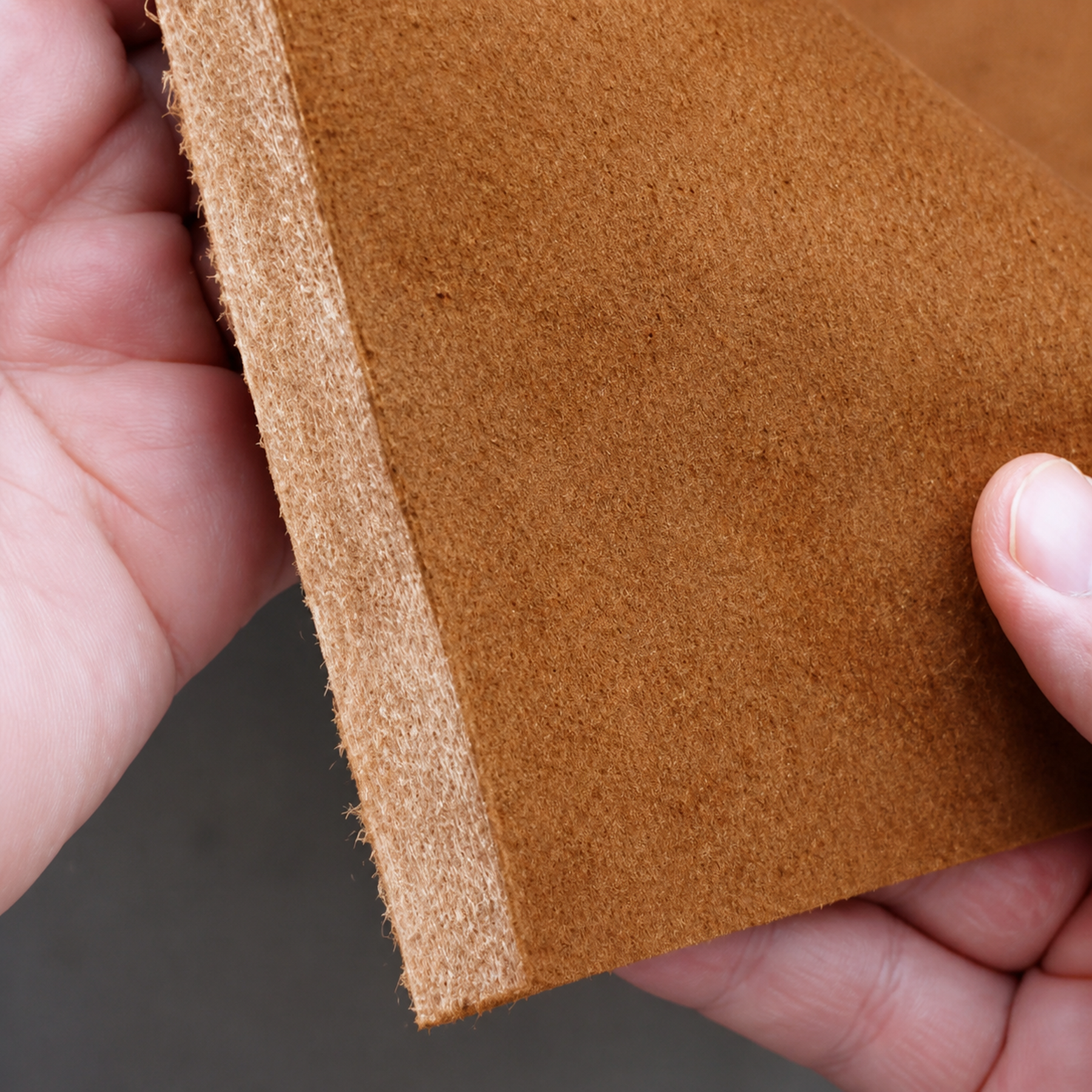
Skiving is the process of removing a controlled amount of material from a specific area, usually along an edge. Rather than reducing the thickness of an entire piece, the objective is to create a thinner section where it is required for the next stage of manufacture.
This is particularly important when materials need to be folded, overlapped or joined together. If several full-thickness layers meet in the same area, the finished product can become unnecessarily bulky or difficult to assemble. Skiving reduces this thickness while leaving the remainder of the material unchanged.
The amount and shape of material removed can vary depending on the finished product and manufacturing process.
How Does a Skiving Machine Work?
An industrial skiving machine feeds the material through a controlled cutting area where a blade removes material from the required section. The operator can control how the edge is presented to the machine, allowing the required skive to be produced consistently across multiple components.
Using purpose-designed machinery provides much greater repeatability than manually reducing the material. Once the machine has been correctly set for an application, components can be prepared with a consistent profile throughout a production run.
This is particularly valuable in professional manufacturing, where small variations in material preparation can affect stitching, folding, assembly and the appearance of the finished product.
Why Is Leather Skived?
Leather is naturally a relatively thick material, and many manufactured leather products involve folding or joining multiple layers. Skiving allows manufacturers to selectively reduce that thickness without changing the characteristics of the complete component.
Typical reasons for skiving include preparing an edge for folding, reducing bulk around seams, preparing overlapping sections and creating a cleaner transition between joined components.
- Reduces unnecessary thickness around edges and joins.
- Helps prepare leather for folding and stitching.
- Creates neater seams and overlaps.
- Improves consistency during assembly.
- Provides repeatable preparation across production runs.
- Reduces reliance on manual edge preparation.
What Products Use Skiving?
Skiving machines are used throughout professional leather manufacturing and particularly where the appearance and quality of the finished product depend on precise material preparation.
Applications can include footwear, handbags, wallets, belts, luggage, upholstery, automotive interiors, saddlery and numerous other leather goods. The exact skiving requirement will depend on the leather, component design and way in which the finished product is assembled.
Skiving Machines vs Splitting Machines
Skiving and splitting both reduce material thickness, but they perform very different jobs.
A splitting machine is generally used to reduce the thickness of material across a wider area, creating a more consistent overall thickness. A skiving machine removes material selectively, usually from an edge or particular section of the component.
A manufacturer may therefore use both processes. Leather might first be split to achieve the required overall thickness before individual components are skived where folds, seams or joins will be created.
If you need to reduce the overall thickness of leather rather than prepare individual edges, explore our Splitting Machines page.
Choosing the Right Skiving Machine
The correct skiving machine and setup depends upon the material being processed, its thickness, the required skive and the finished product. Production volume and the level of consistency required should also be considered when selecting equipment.
Rather than looking at the machine in isolation, it is useful to consider where skiving sits within the complete manufacturing process. Understanding what happens to the component before and after skiving can help ensure the equipment is correctly specified for the application.
Comelz Skiving Machines
Cutting Systems UK supplies Comelz skiving machines for professional leather manufacturing applications. Comelz is an established Italian manufacturer of specialist machinery for the leather and footwear industries, with equipment designed around precision, consistency and dependable industrial production.
The Comelz SS20 is the skiving machine currently available through Cutting Systems UK, providing a precision solution for businesses requiring consistent leather edge preparation.
Explore our Comelz Skiving Machines page to learn more about the SS20 and the skiving equipment available through Cutting Systems UK.
Speak to Cutting Systems UK
If you’re looking for an industrial skiving machine but aren’t certain which equipment or setup is appropriate for your application, speak to our engineering team. We’ll discuss the material you’re processing, the skive you need to achieve and how the operation fits into your wider manufacturing process.
Contact Cutting Systems UK today for practical advice on industrial skiving machines and help identifying the right equipment for your production requirements.