
Industrial Splitting Machines
Splitting machines are used to accurately reduce material to a required thickness, creating a consistent and even surface ready for further manufacturing. Most commonly associated with leather processing, industrial splitting machines allow manufacturers to control material thickness accurately and repeatedly, improving both production efficiency and the quality of finished components.
At Cutting Systems UK, we supply industrial splitting machines for professional manufacturing applications. Our experienced engineering team can help identify the right machinery based on the materials you’re processing, the finished thickness required, component dimensions and your production volumes.
What Is a Splitting Machine?
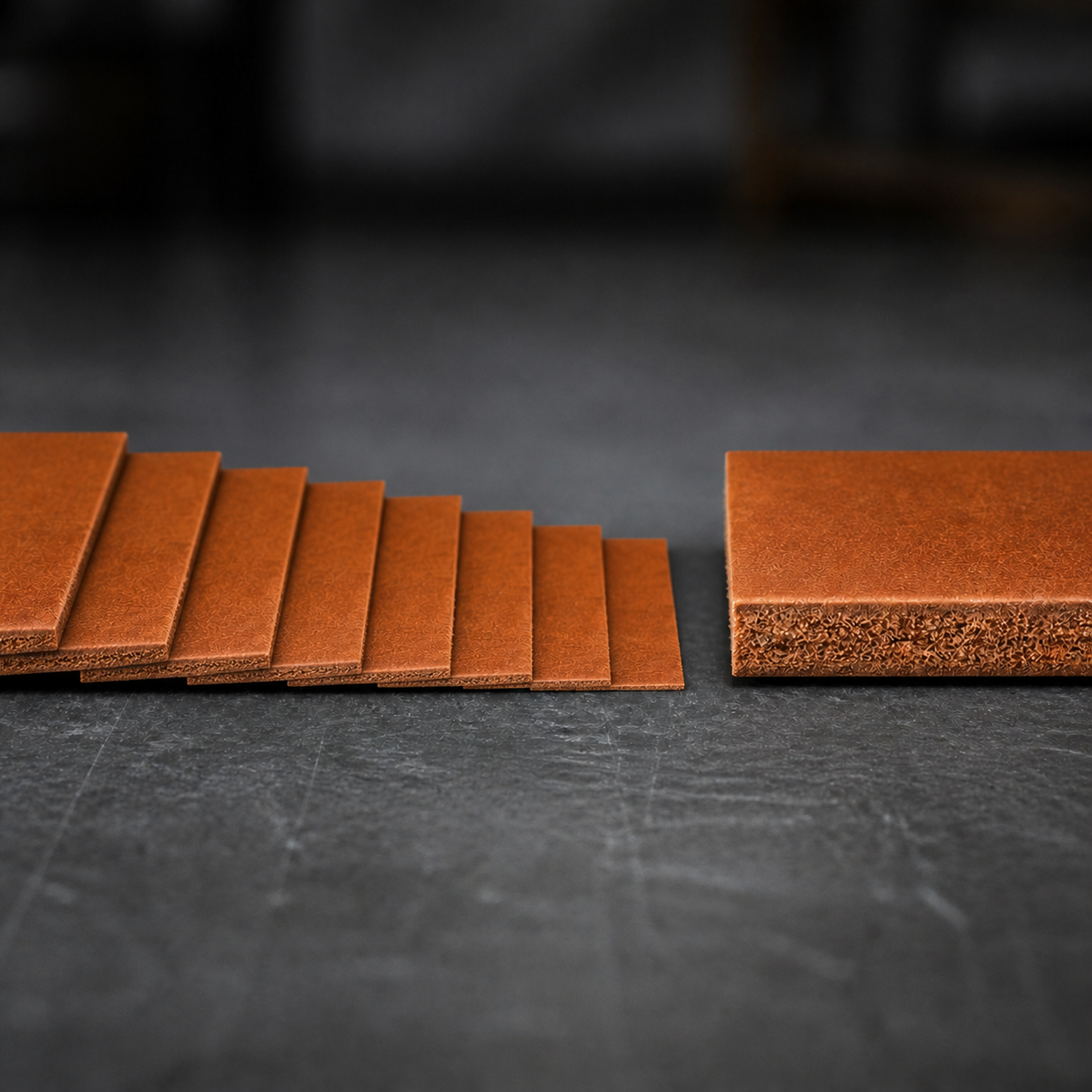
A splitting machine is designed to reduce the thickness of material across its width. Material is fed through the machine and accurately separated, allowing the manufacturer to achieve the required finished thickness before the material moves to the next stage of production.
For manufacturers working with leather, this is particularly valuable because natural material can vary in thickness. Splitting allows leather to be prepared to more consistent dimensions, helping subsequent manufacturing operations produce predictable and repeatable results.
The process can be used with complete pieces of material or individual components depending on the application and production method.
How Does a Splitting Machine Work?
The material is fed into the machine at a controlled thickness setting and passes through the cutting area. A precision blade separates the material, leaving the required section at a consistent finished thickness.
Accurate control is important because even relatively small variations can influence how material behaves during later manufacturing stages. Consistent thickness can make components easier to cut, skive, stitch, fold or assemble while helping maintain the appearance and quality of the finished product.
Industrial splitting machinery allows this process to be repeated efficiently across larger production volumes, providing greater consistency than would be practical using manual material preparation methods.
Why Use an Industrial Splitting Machine?
Controlling material thickness can be an important part of producing consistent finished products. Where material varies naturally or is supplied thicker than required, splitting provides manufacturers with an accurate way of preparing it before further processing.
- Accurate control of finished material thickness.
- Improved consistency between components.
- Efficient preparation for subsequent manufacturing processes.
- Repeatable results across production runs.
- Reduced reliance on manual material preparation.
- Suitable for professional and industrial manufacturing environments.
Correctly prepared material can also make later production stages more predictable, helping manufacturers maintain consistent quality throughout the complete manufacturing process.
Where Are Splitting Machines Used?
Splitting machines are particularly important within leather manufacturing, where accurate control of material thickness is required across many different products and applications.
They are used in the production of footwear, handbags, belts, wallets, luggage, upholstery, automotive interiors, saddlery and other leather goods. Different products may require significantly different material thicknesses, making accurate splitting an important part of preparing leather for manufacture.
Depending on the machine and application, splitting technology may also be suitable for other materials where controlled and consistent thickness reduction is required.
Splitting Machines vs Skiving Machines
Although splitting and skiving both involve reducing material thickness, they perform different roles within the manufacturing process.
A splitting machine reduces material to a controlled thickness across a wider area. A skiving machine selectively reduces thickness in a particular area, most commonly around an edge where the material will later be folded, stitched or joined.
The two processes are therefore often complementary. Material can first be split to achieve the required overall thickness before individual components are skived where additional preparation is required.
If you need to prepare individual edges rather than reduce overall material thickness, explore our Skiving Machines page.
Choosing the Right Splitting Machine
Choosing a splitting machine involves considering the material being processed, its starting thickness, the required finished thickness, material dimensions and expected production volumes.
Working width can also be an important consideration, particularly where larger pieces of material need to be processed. Rather than selecting machinery purely from technical specifications, the complete production process should be considered to ensure the machine is appropriate for both current requirements and future production needs.
Camoga Splitting Machines
Cutting Systems UK supplies Camoga splitting machines for professional leather processing and industrial manufacturing applications. Camoga specialises in precision splitting technology and offers a range of machines designed to accommodate different material sizes and production requirements.
The range available through Cutting Systems UK includes compact machinery for specialist production alongside larger industrial models for manufacturers processing wider materials or greater production volumes.
Explore our Camoga Splitting Machines page to learn more about the available models and splitting equipment supplied by Cutting Systems UK.
Speak to Cutting Systems UK
If you’re looking for an industrial splitting machine but aren’t certain which model or configuration is appropriate for your application, speak to our engineering team. We’ll discuss the material you’re processing, the finished thickness you need to achieve and how splitting fits within your wider manufacturing process.
Contact Cutting Systems UK today for practical advice on industrial splitting machines and help identifying the right equipment for your production requirements.